
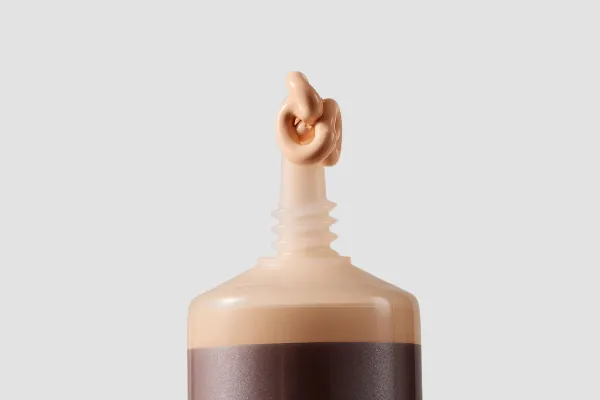
Foundation Matching for Women Over 50: Undertone Guide
Foundation Matching After 50: Why It Feels Impossible
Have you ever stood in the drugstore aisle holding three different "beige" foundations up to your jaw, tilting your head like a confused puppy, wondering why none of them look right? 🐶
Friend, you are not alone. I have been there more times than I can count, and I am going to let you in on a little secret: foundation matching is part science, part art, and part total guesswork, and it gets even trickier once our mature skin starts changing on us.
Even the pros get it wrong sometimes. 🤷🏻♀️
So this week we are digging into undertone, the real culprit behind most foundation fails, and I promise to make it as painless as possible.
🎥 Watch on YouTube
Don't forget to subscribe to Michelle Fox Beauty 💄
Let's Talk Undertone (It's Not Just Warm or Cool)
Most of us grew up hearing there are only two undertones: warm or cool. Maybe you took a quiz in a magazine once that told you to check the veins on your wrist. Green veins, warm. Blue veins, cool. Done, right?
Not so fast. 😅
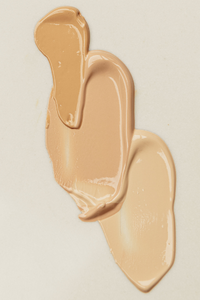
There is a third category that gets left out constantly:
Warm — leans golden, peachy, or yellow
Cool — leans pink, red, or blue
Neutral — a genuine mix of both, and honestly, more common than you'd think
If you have ever tried on a "warm" foundation and a "cool" foundation and both looked a little off, neutral might be your answer. It is not a cop out. It is a real category.
One Brand, This Many Undertones
As you know, I am a Mary Kay beauty consultant*, and I want to show you something. Here is the actual undertone breakdown across our current Timewise 3D foundation shades, and I think it makes the point better than I ever could with words alone.
Cool family includes:
Cool
Cool Rosy
Cool Peach
Cool Yellow
Cool Olive
Cool Ash
Cool Golden
Warm family includes:
Warm Olive
Warm Gold / Warm Golden
Warm Rosy
Warm Peach
Slightly Warm Peach
Warm Brown
And neutral gets its own spread too:
Neutral
Neutral Yellow
Neutral Ash
Slightly Olive
Look at that cool list again. Cool yellow. Cool olive. Cool golden. 🤔
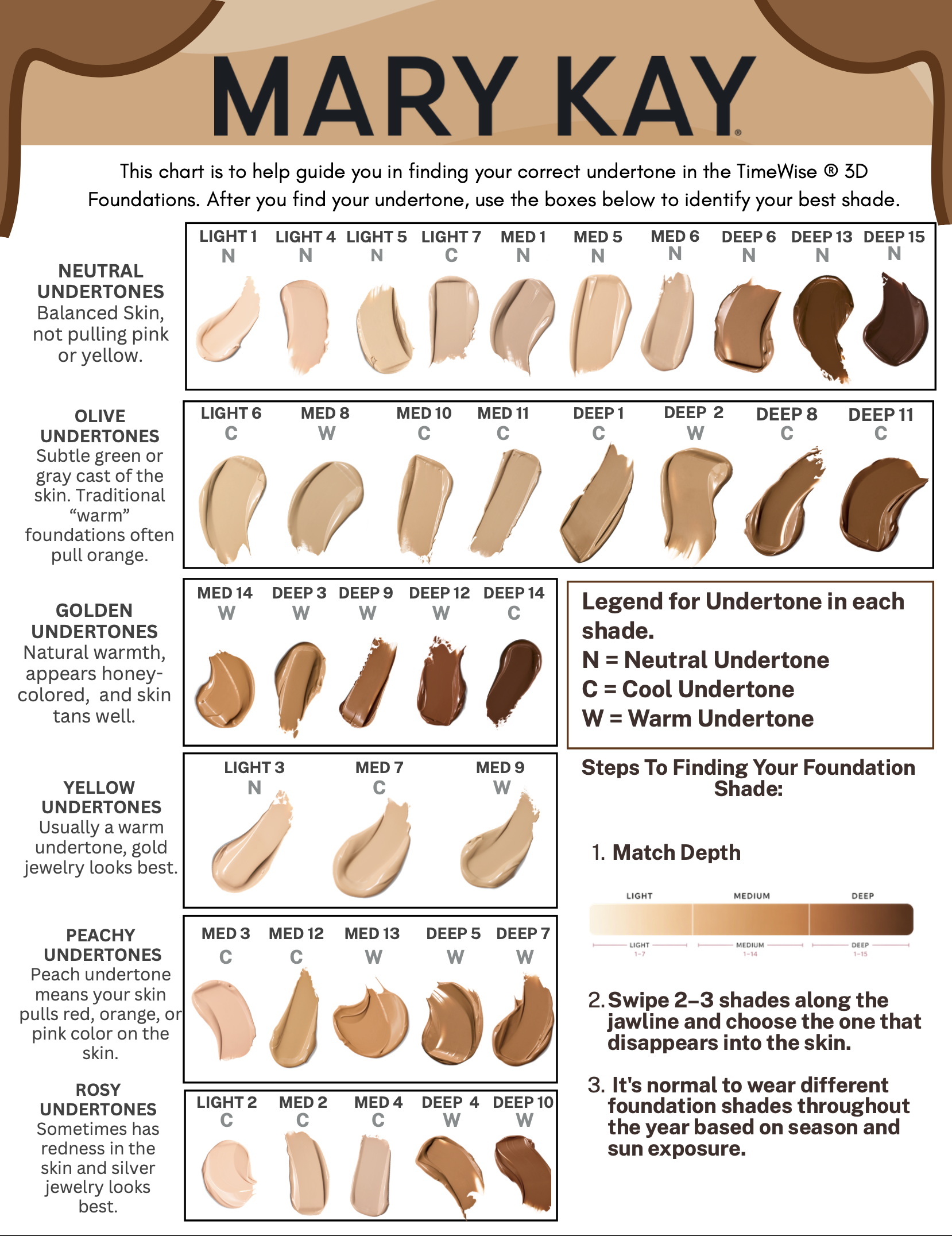
If cool only meant pink to you before today, this is exactly why so many of us end up in the wrong shade family entirely. One single brand needed almost twenty different undertone descriptions to cover real faces. That is not a brand being overly complicated; that is a brand being honest about how varied skin actually is. 🙌
The "Cool Yellow" Anomaly
Here is where it gets fun. You can actually have yellow undertones that read as cool rather than warm. I know, I know, it sounds like a contradiction. But skin is complicated and does not always follow the rulebook.
Some women have a sallow or ashy cast to their skin, a yellow that leans gray rather than gold. If you assume "yellow" always means warm and reach for a golden, sunkissed foundation, it can end up looking orange or muddy instead of blending in, since your undertone isn't actually warm at all.
The takeaway? Do not select your undertone family based on one single clue. What you observe with your own eyes (and a test swatch or two) is more reliable than any chart.
So What Exactly Is "Olive" Skin?
Olive gets thrown around a lot, and honestly, it confuses even makeup artists. Here is the simplest way I can explain it:
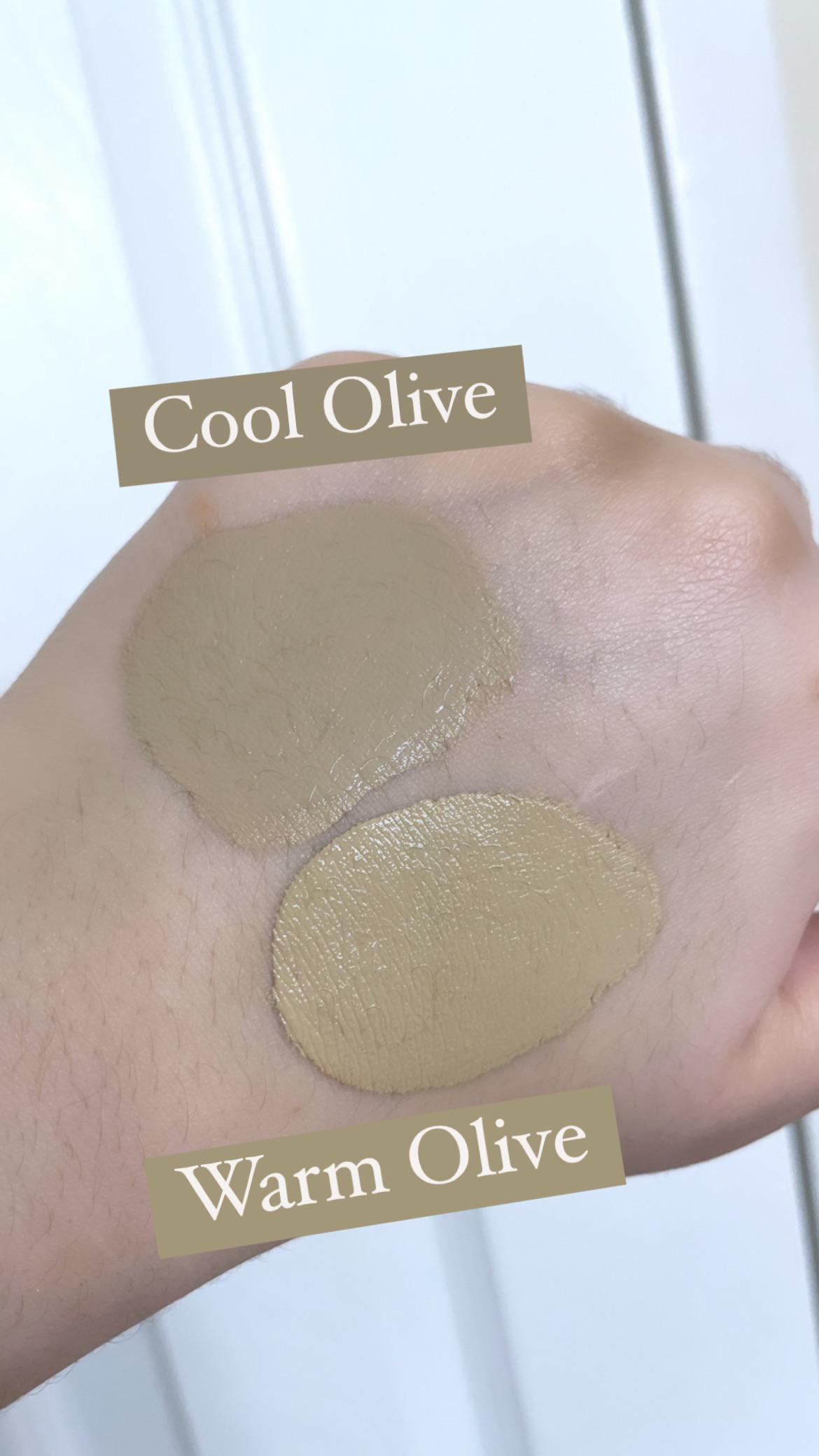
Olive skin typically has a green or grayish green undertone. It is not just "tan" or "warm." It has a distinct muted, sometimes almost golden green quality that can make finding the right foundation especially tricky, because most foundation lines lean pink or yellow, not green.
If you have olive skin, you may notice:
Foundations marketed as "warm" often look too orange or golden on you
Foundations marketed as "cool" can look too pink or rosy
A true olive match often needs a slightly greenish or very neutral undertone to look right
Olive foundation shades can also be warm, neutral, or cool
If this is you, you are definitely not imagining the struggle. Olive skin is real, it is valid, and it deserves its own conversation (which honestly might be a whole future blog post). 🫒
You Also Have Several Shades on Your Face (Not Just One)
Take a good look in a mirror. Really look. Chances are your face is not all one uniform shade. Sun damage, freckles, hormonal "pregnancy mask", ruddiness, and red patches create variation.
This is exactly why:
A single foundation shade will never be a perfect 100 percent match everywhere, and that is okay
A little color correcting or a sheer foundation or cc cream can actually look more natural than a heavy, flat, one-shade coverage
Perfection is not the goal here. Blending in nicely is.
And one more thing: your shade may shift from season to season. Summer sun, more time outdoors, even just more color in your cheeks can mean the foundation that was perfect in January looks pale by July. Keeping two shades on hand, one for lighter months and one for when you have some color, is not high maintenance. It is just smart.
BTW: Your Face Is Probably Lighter Than the Rest of You
Here is one that trips up so many women. You swatch a foundation on the back of your hand, buy it, and then it looks too dark once it is actually on your face.
Turns out, the skin on our face usually has more sun protection, and it just behaves differently than the skin on our arms or chest. It is very common for your face to be a shade or two lighter than the rest of your body.
➡️ Your neck is usually even lighter than your face. It rarely gets direct sun the way our face does, so if anything, it tends to be the palest spot on you. That is why swatching on your neck and expecting it to match your face was never quite the right plan either.
Here are a few swatching tips:
Always test foundation directly on your face, not on your hand or arm
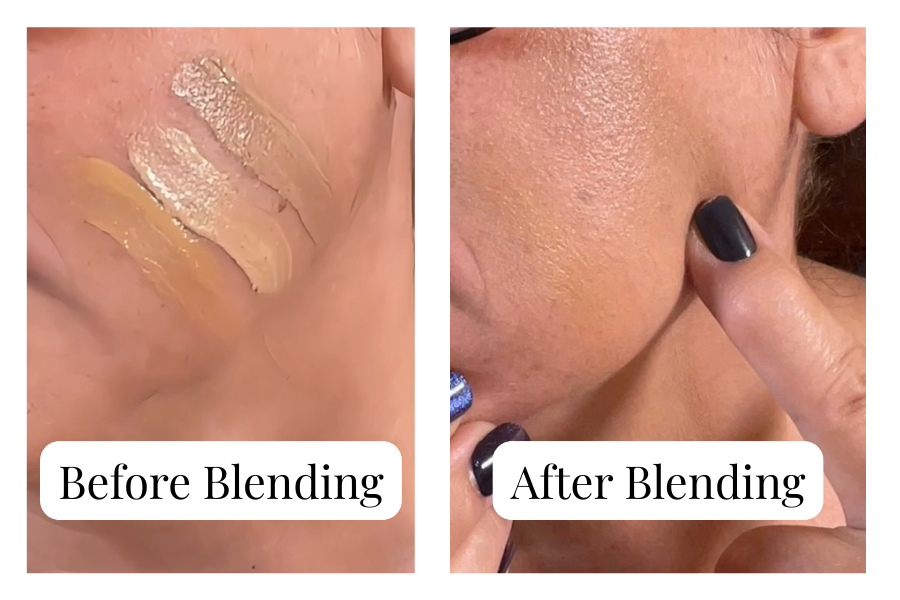
Do a "stripe test" using the 3 shades that seem to be the closest match
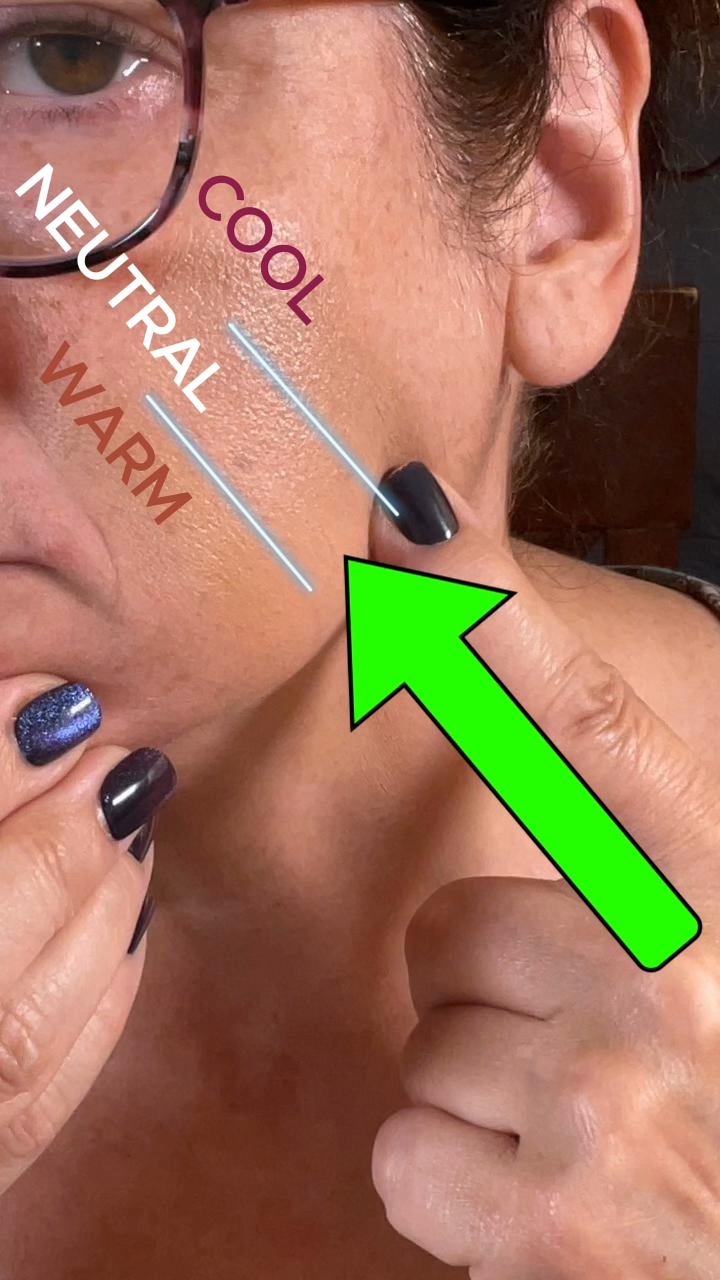
If you are on the ivory or beige side, apply the swatches and blend along your jawline
If you are on the bronze or ebony side, apply the swatches and blend along your cheeks
Check the results in natural light, not overhead store lighting
Do not feel obligated to match your chest or arms. If you want more depth to work with the rest of your "tan," bronzer is your friend, not a darker foundation shade
Another Plot Twist: Your Undertone Can Change As You Age
Nobody tells you this one, and I wish they had. Our skin's undertone is not necessarily fixed for life. As mature skin moves through our 50s, 60s, and beyond, a few things can shift the way our skin tone looks and reads:
Sun exposure over decades can build up pigment changes
Hormonal shifts through menopause can affect skin tone and texture
Skin naturally thins with age, which can let more of the underlying color show through and read "cooler"
Our overall pinkness or redness can increase or decrease over time
So if the shade that was "your color" ten years ago suddenly looks off, it is not you doing anything wrong. Your skin genuinely may have changed. This is a great reason to rematch your foundation every so often instead of repurchasing the same shade on autopilot. 💕
➡️ Here is another wrinkle, pun intended.
Many of us do lean a bit cooler as we age. But here is the plot twist within the plot twist: 👉🏼 plenty of makeup artists will tell you to intentionally reach for a slightly warmer shade because it can brighten a mature face and counteract that dullness or grayness that cool undertones sometimes bring out.
So if your "correct" cool match is leaving you looking a little flat, there is nothing wrong with breaking the rule and going warmer because it simply looks better on you.
The Bottom Line
There is no perfect formula for foundation matching. Skin tone and undertone involve warm, cool, neutral, and yes, weird in-between categories like cool yellow and olive. It can shift as we age. Our face does not match our body. Our face does not even match itself from cheek to cheek. And here is the part I really want you to walk away with: there is often more than one shade that is genuinely right for you, not just one perfect bottle out there with your name on it.
Give yourself permission to have options.
So here is my real advice, the kind I would give you over coffee:
Swatch a few options along your jawline or cheek in natural daylight
Let the foundation sit for a few minutes before deciding, since some oxidize and shift color
Ignore what the label calls the shade name and trust your own eyes
When in doubt, pick the one that makes your skin look healthy and alive, not just "matched" on paper
And ultimately, wear whatever makes you feel prettiest. That is genuinely the whole point of all this 💕
There is no test, no chart, and no quiz that replaces just trying it on your actual face and deciding you love it.
Still Not Sure? Let Me Take the Guesswork Off Your Hands
If you have read this far and you are thinking "okay but I still don't know my shade," I've got you covered two ways:
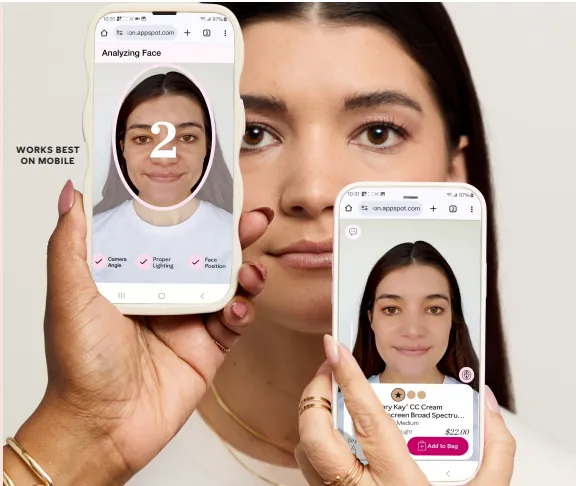
Try the AI foundation match tool on my Mary Kay website*. Upload a photo, and it will point you toward a shade (or two) to start with. 🔗 CLICK HERE
Or just ask me for samples*. Message me directly at [email protected], and I will send you a few shades to try on your own face, in your own lighting, with zero pressure. Sometimes the easiest way to know is to just try it on for real.
Either way, you do not have to guess alone.
Now go forth and swatch with confidence, friends. You've got this. 😘
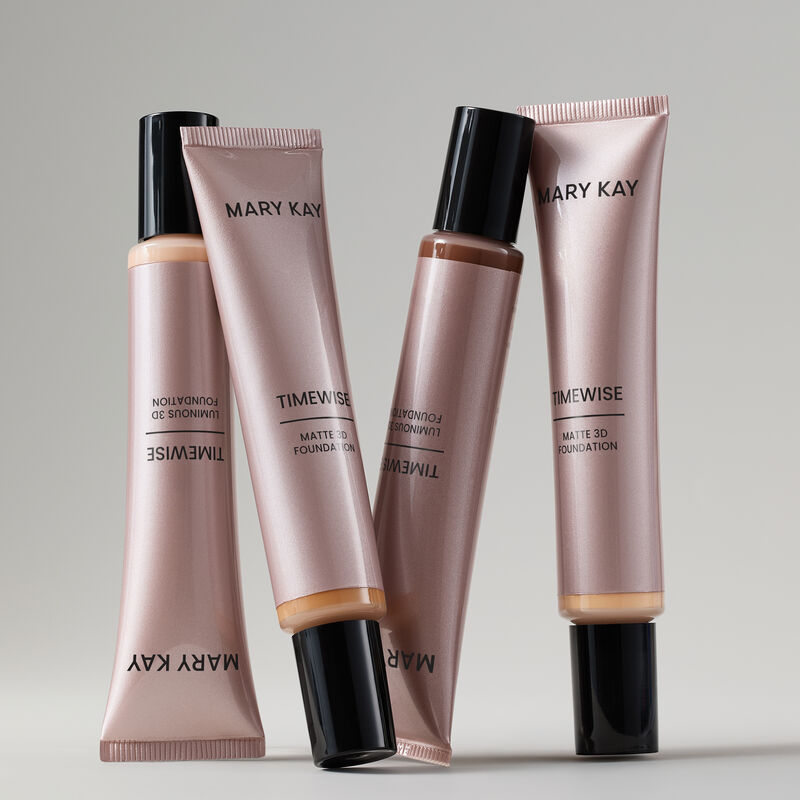
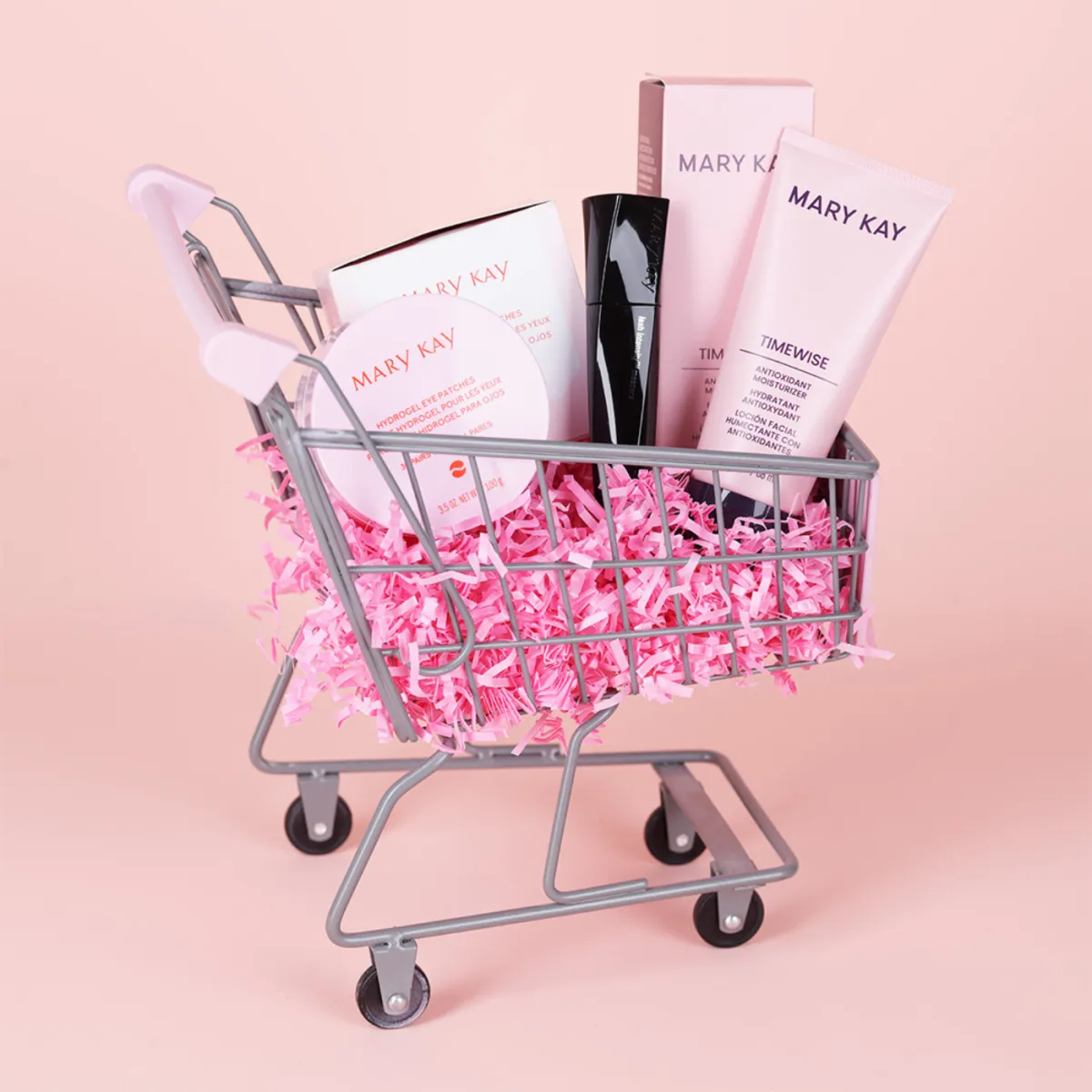
🛍️ Shop Mary Kay foundation, cc cream, concealer, and powder *
* Must be over 18, a resident of the United States, and not currently working with another MK beauty consultant.







Facebook
Instagram
LinkedIn
Youtube
TikTok
Pinterest