
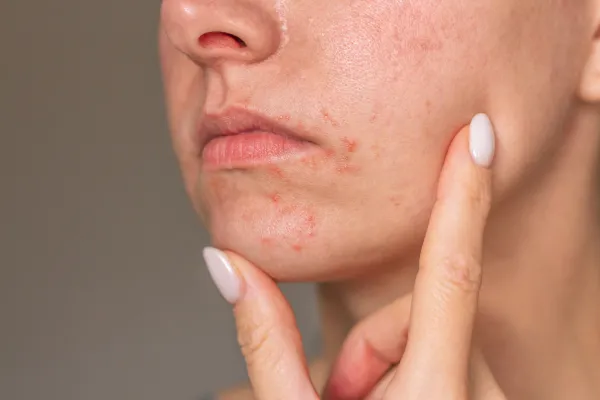
Tiny Bumps and Flaky Skin Around Your Mouth? Here’s Why
If you keep getting tiny pustules near your mouth, nose, or chin mixed with dry, flaky red skin, and no acne product, moisturizer, or “gentle” routine seems to fix it, you might be dealing with perioral dermatitis.
Most people assume this kind of breakout means their skin is dry, damaged, or suddenly “sensitive,” so they do what makes sense: they add more moisturizers, barrier creams, and calming products. But with perioral dermatitis, that well-meaning approach often backfires. 😱
Instead of healing, the skin stays inflamed, the pustules linger or multiply, and the cycle becomes frustrating and confusing, especially when the products meant to repair your skin seem to be making it worse.
Because here’s the frustrating truth:
👉 More moisturizer won’t fix it.
👉 Barrier creams alone won’t fix it.
👉 In many cases, they actually are making it worse.
Let’s break down what perioral dermatitis really is, why your usual skincare products don’t fix it, and what does help.
Watch on YouTube
Subscribe to Michelle Fox Beauty
What Is Perioral Dermatitis?
Perioral dermatitis is an inflammatory skin condition that typically appears as:
Small red bumps or pustules
Dry, flaky, or tight skin
Burning or stinging sensation
Rash concentrated around the mouth, chin, or sides of the nose
(Often sparing the actual lip line)
It’s most common in adult women and is frequently mistaken for:
Acne
Rosacea
Eczema
An allergic reaction
But it’s none of those—at least not exactly.

Perioral Dermatitis
What Causes Perioral Dermatitis
Perioral dermatitis is often not caused by neglect, but by overcare. It develops when the delicate skin around the mouth becomes irritated, inflamed, and microbiome-disrupted after repeated exposure to products and habits that overwhelm it.
While it may look like dryness, this condition is not actually caused by dry skin, which is why adding more moisturizer just doesn't work.

Perioral Dermatitis
Perioral dermatitis is commonly linked to:
Long-term or repeated use of topical steroid creams (prescription or over-the-counter)
Heavy, occlusive moisturizers and thick barrier creams that trap heat, bacteria, and yeast
Overuse of active ingredients such as acids, retinoids, benzoyl peroxide, or vitamin C
Fluoridated toothpaste or dental products with strong foaming agents (like SLS)
Fragrance, essential oils, and harsh preservatives in skincare or cosmetics
Hormonal fluctuations, particularly in adult women (hello, friends over 50! 👋🏻 )
Chronic skin irritation from frequent touching, masking, or environmental stressors
Disruption of the skin’s natural microbiome due to chronic stress, over-cleansing, or excessive product layering
Chronic stress is usually the culprit in my case!
When thick creams, heavy oils, slugging products, or “barrier repair everything” routines are layered on, they may temporarily soothe the surface, but underneath, inflammation continues. In many cases, these products trap heat and microbes, fueling perioral dermatitis rather than calming it.
Why It’s Often Treated with Antibiotics
Because perioral dermatitis has a bacterial and inflammatory component, dermatologists frequently prescribe antibiotics, not just to kill bacteria, but to reduce inflammation.
Commonly Prescribed Treatments
(For informational purposes only)
Topical options
Metronidazole (Metrogel)
Clindamycin
Erythromycin
Azelaic acid (in some cases)
Oral antibiotics
Doxycycline
Minocycline
Tetracycline
These are usually prescribed for several weeks, even if symptoms improve sooner.
A Natural Option for Those Who Avoid Antibiotics
Some people cannot tolerate antibiotics or prefer a more natural route. While results vary, many have found success using antimicrobial herbal tinctures under professional guidance.
Commonly Used Herbal Tinctures
(Again—education, not medical advice)
Oregano oil (internal tincture form) – antimicrobial
Neem – antibacterial and anti-inflammatory
Berberine-containing herbs (like goldenseal or barberry) – antimicrobial, anti-inflammatory, and antioxidant
Calendula – supports skin healing
These are typically used short-term and should be discussed with a qualified healthcare provider or herbalist.
Natural does not mean risk-free. Dosage and interactions matter.
The “Less Is More” Skincare Rule
During an active perioral dermatitis flare:
Stop actives*
Stop exfoliants
Stop heavy creams
Avoid topical steroids unless directed by a doctor
A simplified routine often helps calm the skin while treatment does its job.
Stop actives such as retinoids (retinol, tretinoin, adapalene), exfoliating acids (glycolic acid, lactic acid, salicylic acid), benzoyl peroxide, strong vitamin C serums, and any resurfacing or peel-style treatments.
Quick Visual Guide: Skin Conditions & What Actually Helps
For those who prefer visuals over long explanations, here’s a simplified comparison chart:

✅ = Helpful
⚠️ = Use cautiously
❌ = Often not helpful / may worsen
If you love charts as much as I do, be sure to join my VIP mailing list to get a PDF delivered straight to your inbox!
Final Thoughts
Perioral dermatitis is frustrating because it looks like something you can fix with skincare, but it usually isn’t.
This is one of those times where:
Less product is better
Over-treating backfires
And proper diagnosis matters
If your skin isn’t responding to moisturizers, barrier creams, or acne products, and the dry, red skin keeps coming back, it’s worth discussing perioral dermatitis with a qualified medical professional.
Medical Disclaimer
This content is for educational purposes only and is not intended to diagnose, treat, or cure any medical condition. Always consult a licensed healthcare provider or dermatologist before starting or stopping any medication or treatment.
Products that I use when Perioral Dermatitis flares up
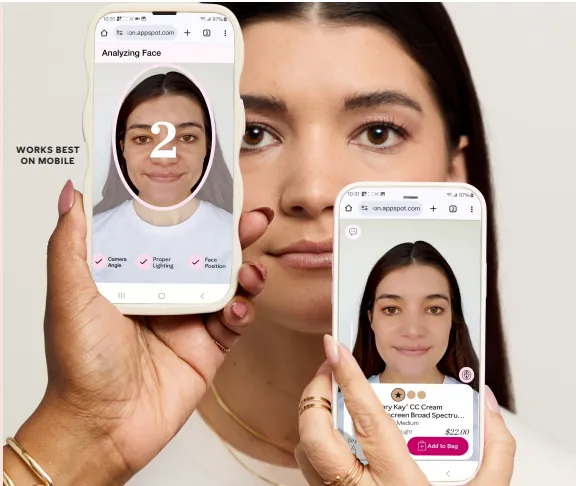
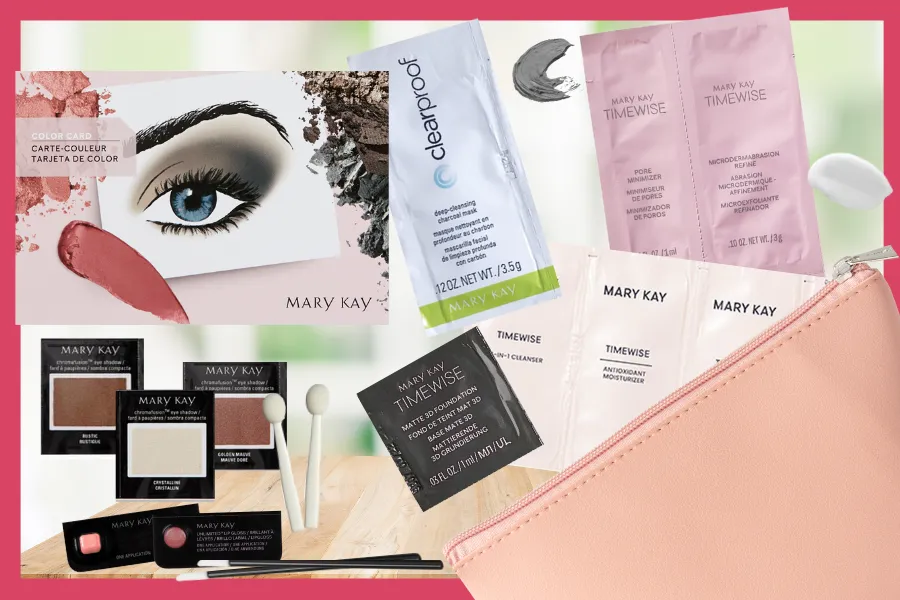
In an effort to keep things simple, I back off from my usual age-fighting regimen and return to an old-school Mary Kay skincare line. This line of products is gentle and effective, restores balance to your skin, and is available in a "hydrating" formula for normal to dry skin or "mattifying" for combination to oily.

Mary Kay Hydrating Regimen
IMO, cleanser and moisturizer are a "must". The scrub and toner are as needed/preferred.
Wrap Up
Perioral dermatitis won’t clear with more moisturizer or heavy creams. Understanding the triggers and simplifying your routine is the fastest way to calm your skin. And in my case, seeking the help of a medical professional is key. 🔑








Facebook
Instagram
LinkedIn
Youtube
TikTok
Pinterest